


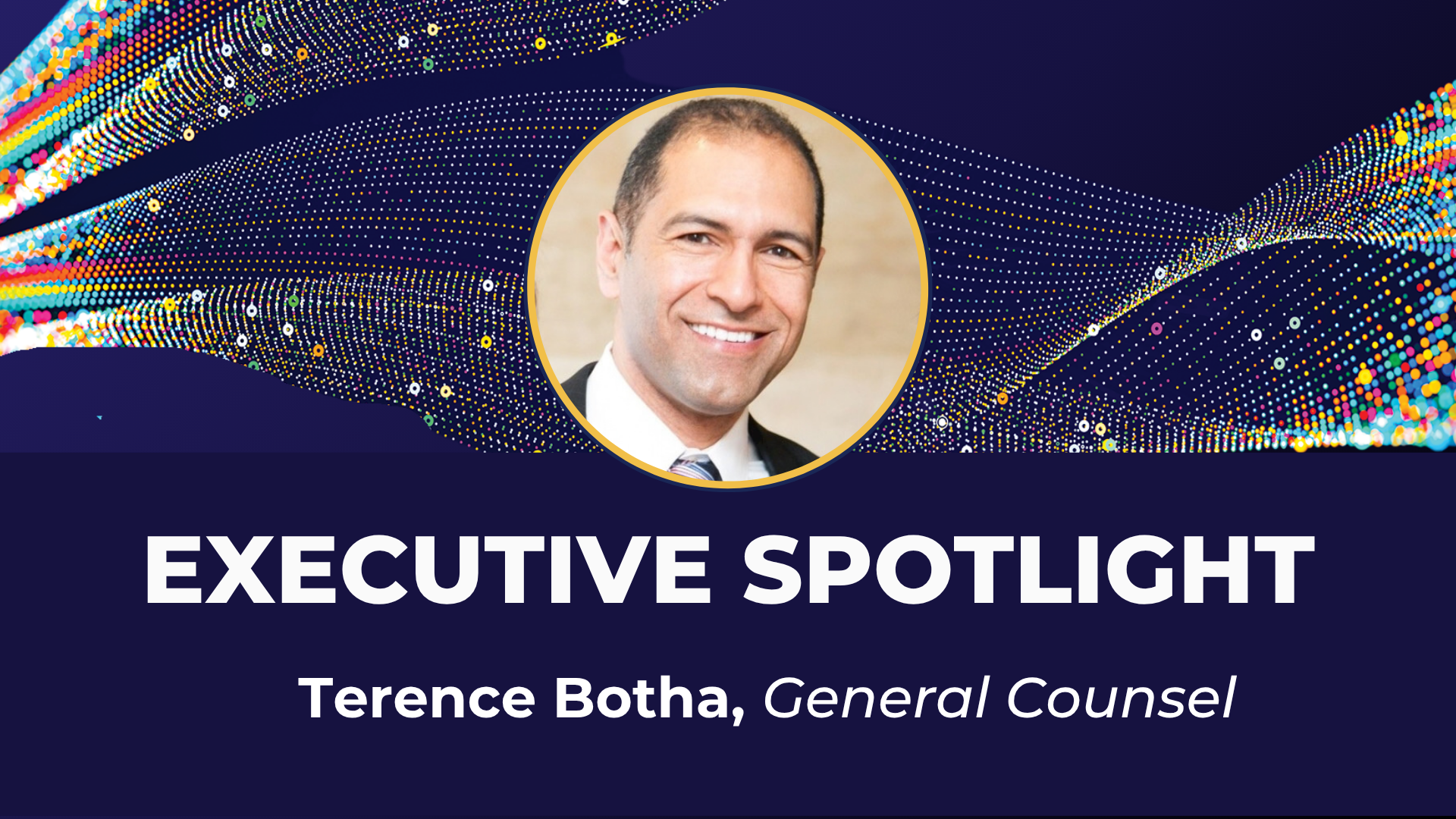
Can you tell us about your background? How did you learn about Siepe?
I started my career in retirement planning and finance with AIM Management in Houston before moving into the CLO and structured finance space at Chase Bank. I began as a trust administrator working on structured finance transactions and eventually became a relationship manager focused on new asset managers entering the CLO market.
From there, I joined Virtus as one of its early hires. Working in a startup environment gave me exposure to many different areas of the business, including building processes and procedures, developing products, managing client relationships, and supporting sales, marketing and legal matters. During this period, I also completed law school, adding a legal background alongside my experience in finance. After Virtus, I joined Blackstone where I worked on its hedge fund platform, and later took a break from the finance industry, during which I managed a litigation consulting firm.
I had known about Siepe for some time and had previously met Michael, so after my litigation consulting work, I began helping Siepe with contract reviews and advisory work as external counsel. Through conversations with Michael, we eventually agreed that joining the company would be a good fit.
From a legal and regulatory perspective, what do you see as the biggest challenges financial services firms face in today’s increasingly data-driven and highly regulated environment?
Financial services is a mature industry, so many of the fundamental legal risks, laws and regulations are already well understood. The challenge comes from the pace of innovation and volume of data available. Technology and financial innovation move faster than the law, meaning firms have to continually adapt as software and technology evolve, fund structures and the way funds are managed changes, and regulations are adopted to mitigate the associated risk.
Technology and data help asset managers scale and make decisions more quickly, but people still need to remain an important part of that process. That requires establishing adequate controls around technology so that firms can benefit from those capabilities while preserving the application of professional skill and judgment. Ultimately, it’s about finding the right balance between innovation and risk management.
How does the legal function at Siepe collaborate across the business to help drive innovation while managing risk?
As General Counsel, my primary focus is protecting Siepe from legal risk while also enabling the company to operate, innovate and grow. At a foundational level, that includes reviewing client and vendor contracts to ensure compliance with contractual obligations, monitoring the regulatory landscape, implementing policies to protect the interests of both our clients and Siepe, and communicating each of those elements across the organization. There is also a strategic component to the role, where I advise the business and executive team on potential risks related to opportunities, corporate structures, financing, acquisitions and other decisions that have an impact from a legal perspective.
Emerging technologies add another dimension. For instance, when we consider using AI for a particular function or application, we first need to understand whether we are permitted to do so under our agreements. Then, the question becomes what controls need to be placed around that use. We work in a closed, secure environment, which helps mitigate risk, but the broader goal is to find ways to use new technology within the contractual and regulatory frameworks we operate under.
What do you believe is the key differentiator that sets Siepe apart from other service providers in the market?
For me, it starts with the team and the people. I had known Siepe for quite some time before joining and had watched the company grow and execute on its technology-enabled strategy. Having now joined the company full-time, I’ve been impressed by the backgrounds and experience of the people across the organization and the leadership team.
The vision has been there for a long time, and now I’m seeing that vision being executed. When you combine the team and strategic vision with the tools and technology we have available today, it significantly amplifies what we can accomplish in our industry.
Are there any exciting initiatives or areas of focus you can share that reflect where Siepe — and the broader industry — is headed over the next few years?
There has always been a focus at Siepe on the breadth and quality of our data, and that isn’t changing. What is evolving is how we leverage AI and other technologies to transform that data into actionable insights, and deliver that capability to our clients. That includes not only providing the data itself, but also making reports and tools more readily available and opening the door to capabilities such as optimization and predictive analysis.
At the same time, accelerated and cutting-edge workflows can’t come at the expense of accuracy and compliance requirements. As we use technology to provide data more quickly and generate greater insight, we still need to make sure the end result is accurate because our clients rely on it. The goal isn’t to push out more information simply because we can; it has to remain high-quality information that clients can trust.
Can you share a fun fact?
I grew up in Africa, which gave me an outward-looking perspective from an early age and sparked an interest in seeing more of the world. I’ve lived in four countries and four U.S. states, traveled to 35 countries (and counting), and speak at least two other languages. Having that international experience has given me a broader perspective on life and how I approach challenges and opportunities both personally and professionally.
